


Music
Intent
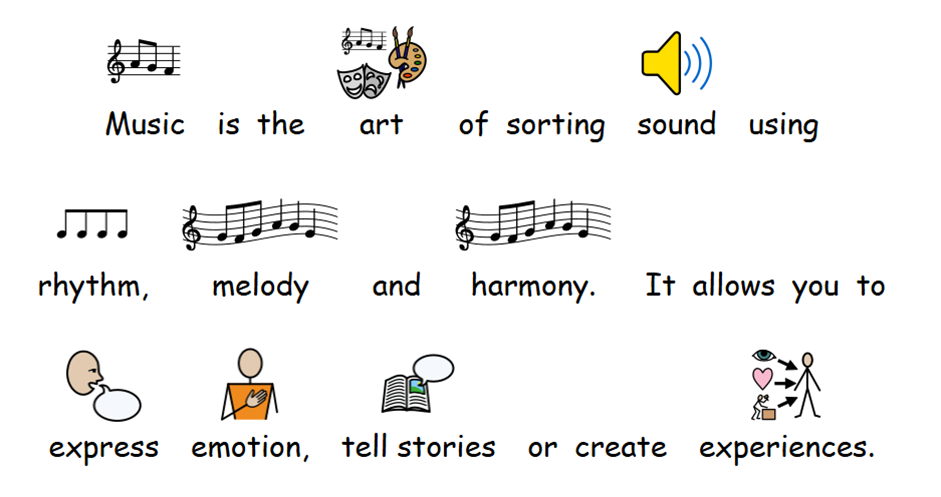
Music is a universal language that embodies one of the highest forms of creativity. As pupils progress, they should develop an important engagement with music, allowing them to compose.
Therefore, at Cotmanhay Junior school, we use the Charanga Music Scheme to provide a high-quality music education that inspires pupils to develop a love of music and their own musical talents.
Through listening, singing, playing instruments, improvising, composing, and performing, pupils build confidence, creativity, and musical understanding. The Charanga curriculum enables pupils to explore a wide range of musical styles and cultures while developing key skills such as pulse, rhythm, pitch, tempo, and notation.
We aim for all pupils to become confident musicians who can express themselves creatively, work collaboratively, and appreciate the impact and value of music throughout their lives.
Implementation
The Charanga Musical School Scheme teach lessons with clear progression that are engaging and exciting. In addition, every lesson is integrated, practical, exploratory with a child-led approach to musical learning. The Scheme supports all the requirements of the national curriculum.
There are 6 units of work for each year group. Each Unit of Work comprises the of strands of musical learning which correspond with the national curriculum for music:
1. Listening and Appraising
Pupils listen and appraise a wide variety of Music including:
Early Music, Renaissance, Baroque, Classical, Romantic, Early 20th Century, Mid 20th Century, Contemporary. See Listen and Appraising overview for more detail.
2. Musical Activities
- Warm-up Games - Games embed the Interrelated Dimensions of Music through repetition.
- Singing - Singing is at the heart of all the musical learning.
- Playing instruments - Playing instruments with the song to be learnt. Pupils learn playing through sound however scores are provided as an understanding of notation.
- Improvisation - Improvising with the song using voices and instruments occurs in some Units of Work.
- Composition - Composing with the song using instruments occurs in some Units of Work.
- Performing - Pupils share what has taken place during the lesson and work towards performing to an audience.
Musical instruments are used to support the lessons.
In year 3, the pupils use glockenspiels within their Music lessons.
In Year 4, the pupils use recorders
In Year 5, the pupils have bespoke lessons to learn how to play the Violin. These lessons are taught by Derby and Derbyshire Music Partnership.
In Year 6, the pupils use a combination of glockenspiels and recorders.